


25 Sep Round Up: Spotlight: Lily Andersen on tradition and change
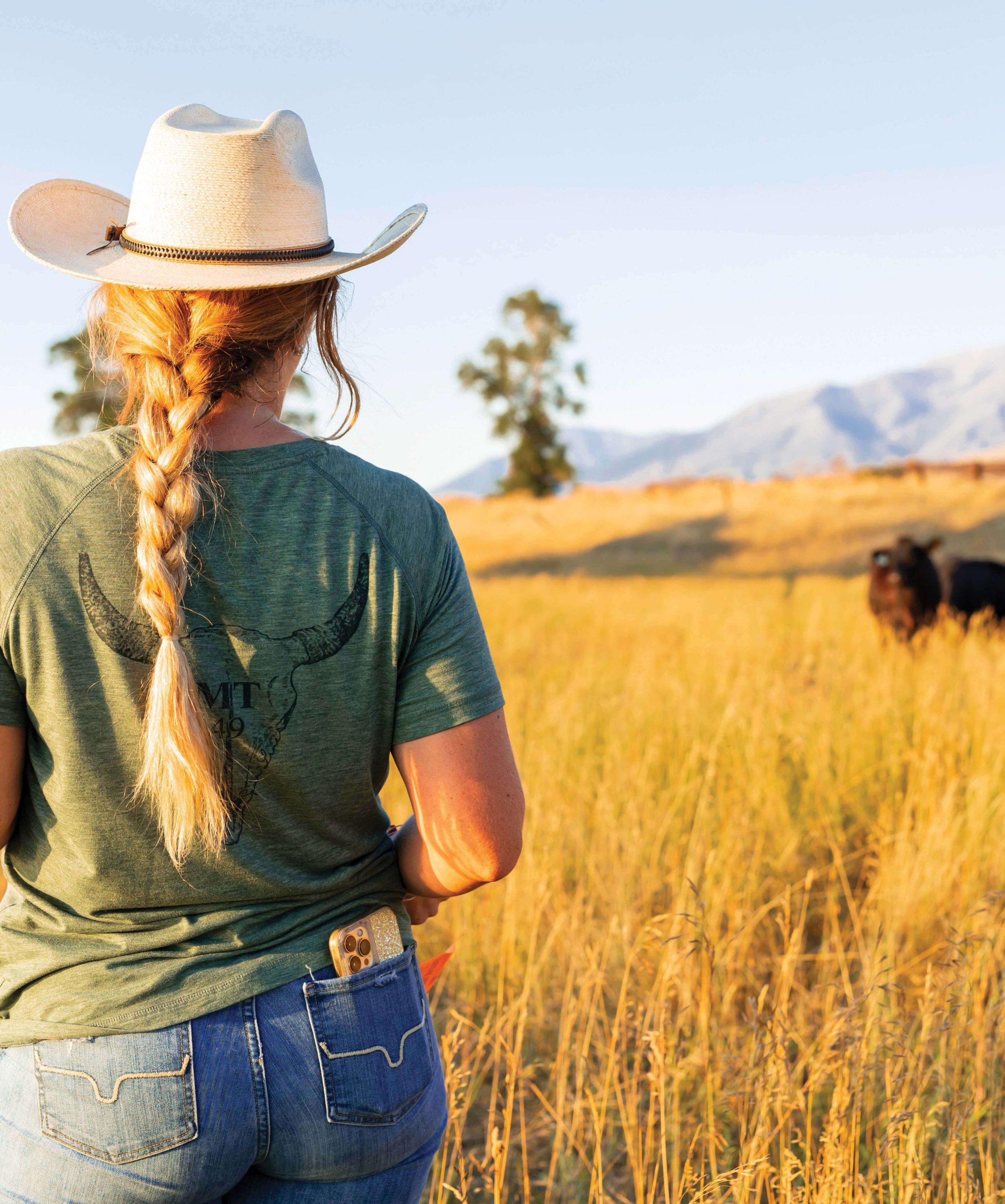
Nestled in the green grass and tucked against the tall mountains of Montana’s Paradise Valley is Skattum Dairy Farm. There, owner and operator Lily Andersen manages a herd of roughly 55 cows while overseeing how tradition and change can exist side by side. The dairy utilizes the milking parlor and equipment used by earlier generations, but Andersen has expanded her role in the operation and adapted to the challenges of farming in a rapidly changing Paradise Valley.
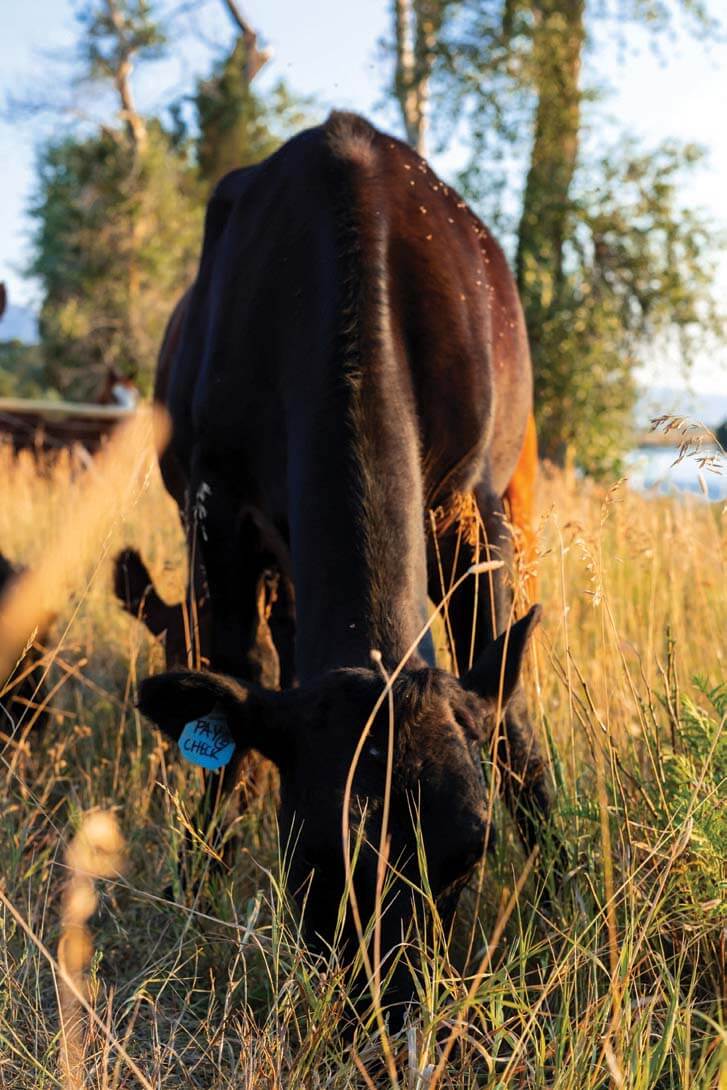
Lily Andersen of Skattum Dairy in Montana’s Paradise Valley says, “Our favorite thing is that our farm is a pasture-raised dairy, so the cows get to go everywhere they want.”
Merle Skattum founded Skattum Dairy in the 1950s, working on area farms to save enough to purchase the land where the dairy sits today. Andersen and her husband, Kyle, have expanded the dairy’s capacity from 40 to about 55 cows to meet the needs of their growing customer base across Montana.
“It’s a little intimidating, but also super rewarding,” she says of taking on the family business. “It helps us get through the hard days knowing that someone saw a dream here, and we have to keep it going to keep that dream alive.”
Andersen is a fourth-generation dairywoman and also the owner of a meat company and part owner of the Spur Line feed store in Livingston, proving that diversification is an important aspect of modern agriculture.
Andersen feels fortunate to continue agriculture in an area that is experiencing changes on the land. “I feel so lucky to cherish this land and keep it in agriculture,” she says.
Carrying on a family farm in Paradise Valley comes with unique challenges from previous generations. When the dairy was built in the 1950s, Paradise Valley and Livingston were affordable ranching communities. Today, the median sale price across Park County has risen from roughly $200,000 in 2016 to around $545,000, a 63 percent increase over the past decade. This is a change that local ranchers and dairy farmers must keep up with and impacts the cost of expanding a farm.
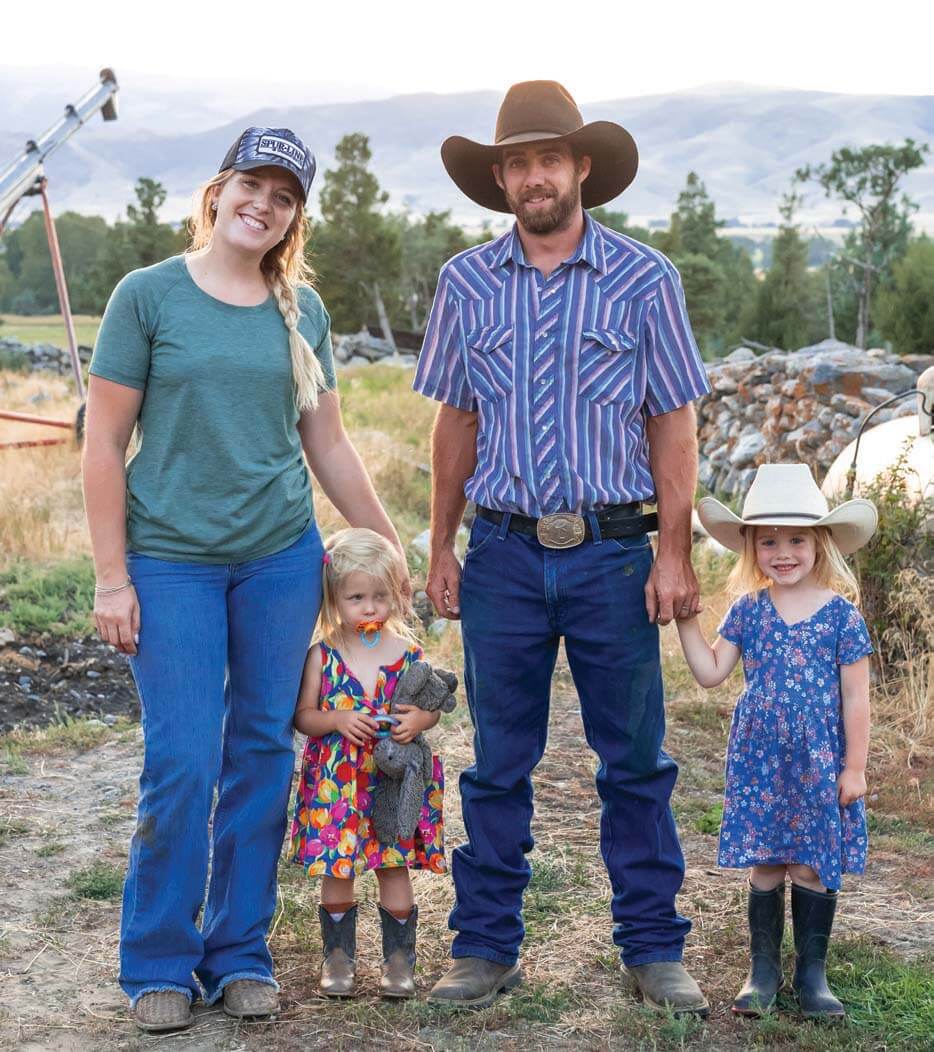
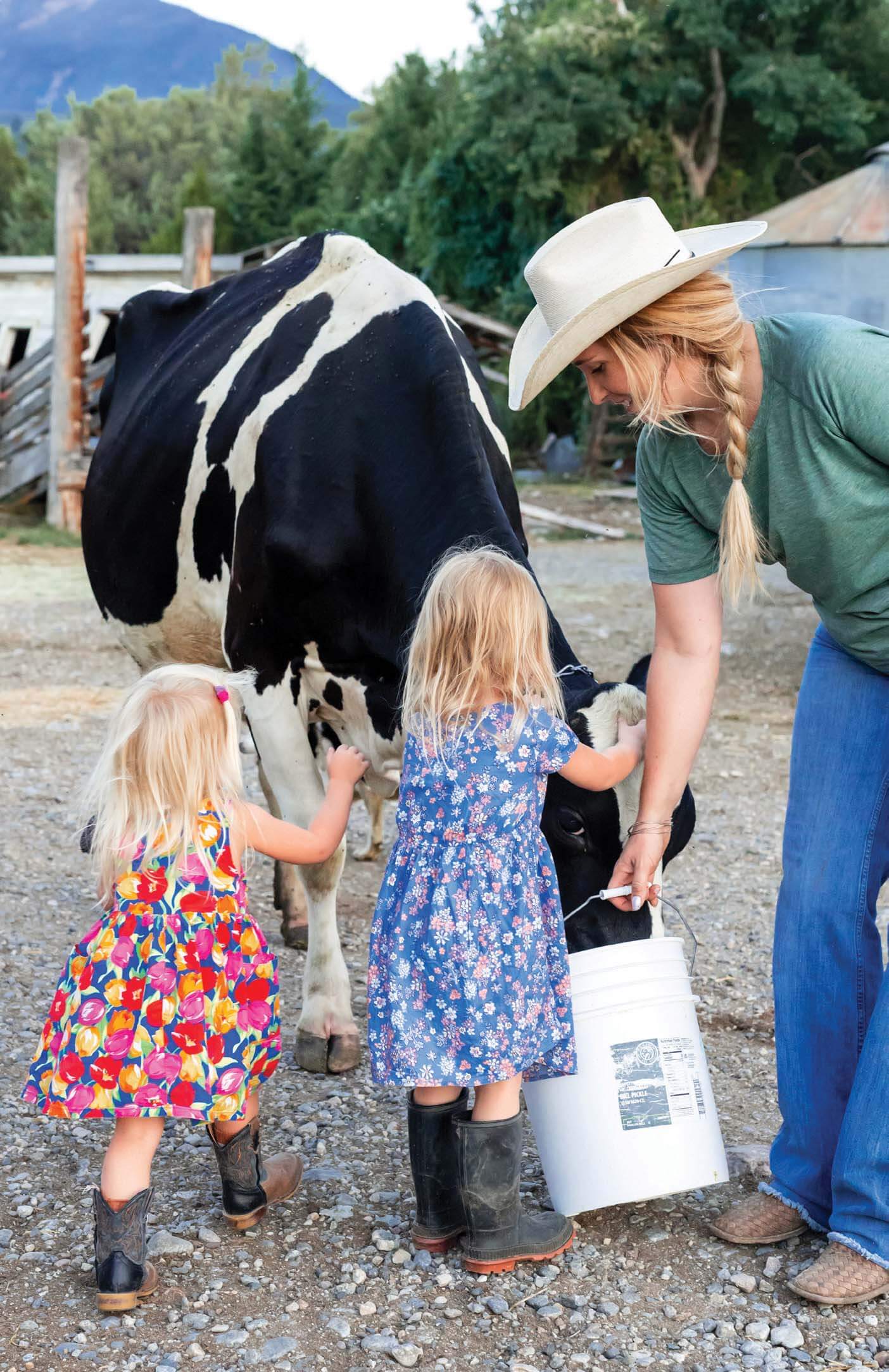
She operates the dairy with her husband, Kyle, and their children.
As the valley grows, maintaining agricultural land requires more than knowing how to work the soil or care for livestock. Andersen says she’s had to work to develop relationships with new landowners and explain the realities of agriculture to people who may not have grown up around it. “You can’t just farm — you have to be an entrepreneur as well,” she says. “You’re building trust.”
In addition to expanding the dairy, Andersen has created her own meat business known as Milkmaid Meats, through which she sells pork and beef directly to customers, and she also is a part owner of the Spur Line, a Livingston feed store.
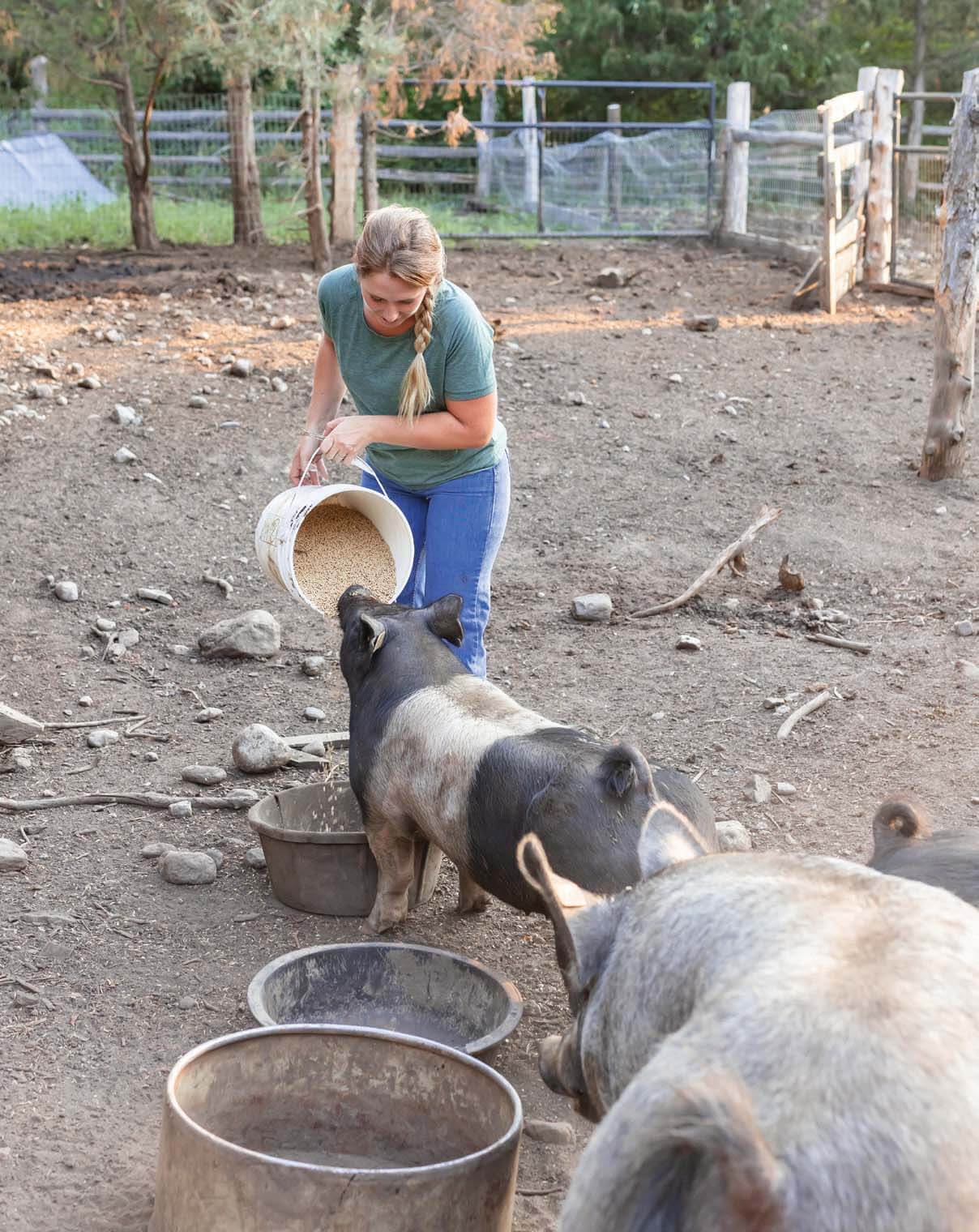
Through Andersen’s meat company, Milkmaid Meats, she provides pork and beef directly to customers.
Andersen’s role in these endeavors reflects a notable shift taking place in the industry: Women are increasingly visible as leaders and decision-
makers in agriculture. Beyond the work Andersen is doing at Skattum Dairy, there are increasing opportunities at Montana State University in Bozeman for aspiring female farmers, and some ranches and farms across the state operate with all-female teams.
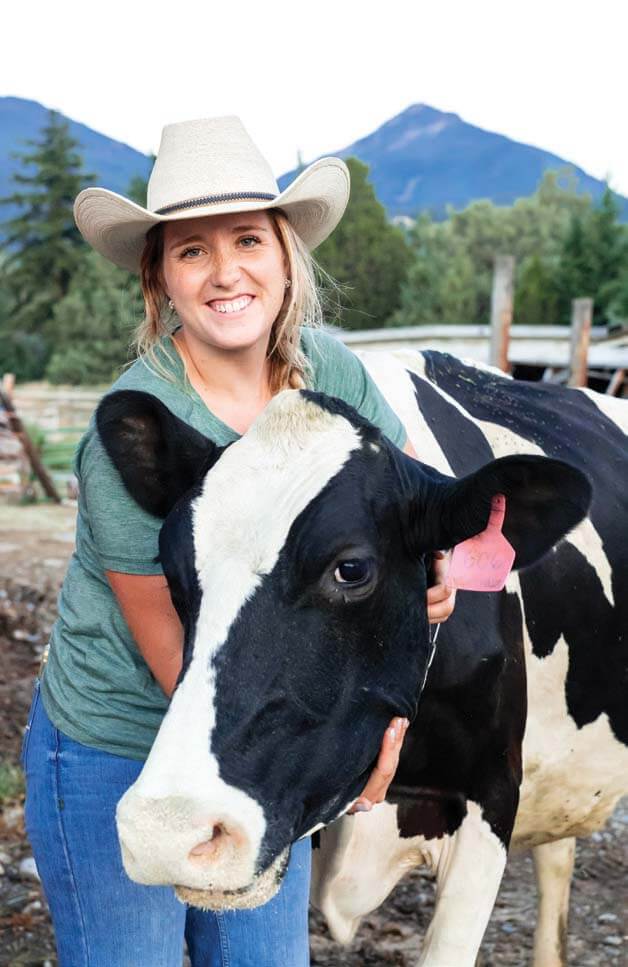
As Andersen explores what it takes to operate a long-standing family business, one of the challenges she faces is increasing land costs.
For Andersen, carrying on the family farm is ultimately about more than preserving what has always been done. It is about finding ways for agriculture to remain relevant in a changing Montana. From growing the cattle herd to maintaining it as a Skattum-family farm to getting the dairy products all the way to Billings, Andersen’s work is sure to inspire the next generation of female farmers.
“We can always innovate and adapt,” she says. “And supporting all sorts of agriculture keeps Montana special.”
No Comments