


30 Jan From the Editor: Conversing with the Current
Fishing has always been a part of my life. As a kid, I fished most weekends with my dad. I walked by our rods and gear every time I entered the house from the garage. We tied flies and kept a bin for worms, dirt, and coffee grounds in the fridge next to the orange juice.
When my husband and I began dating, a trip to the Madison River — in March, of all times — was one of our first dates. Iced-over guides, frozen fingers, and all, we tossed nymphs below strike indicators and I watched the orange ball bob, imagining the fly dangling in the current a few feet below.
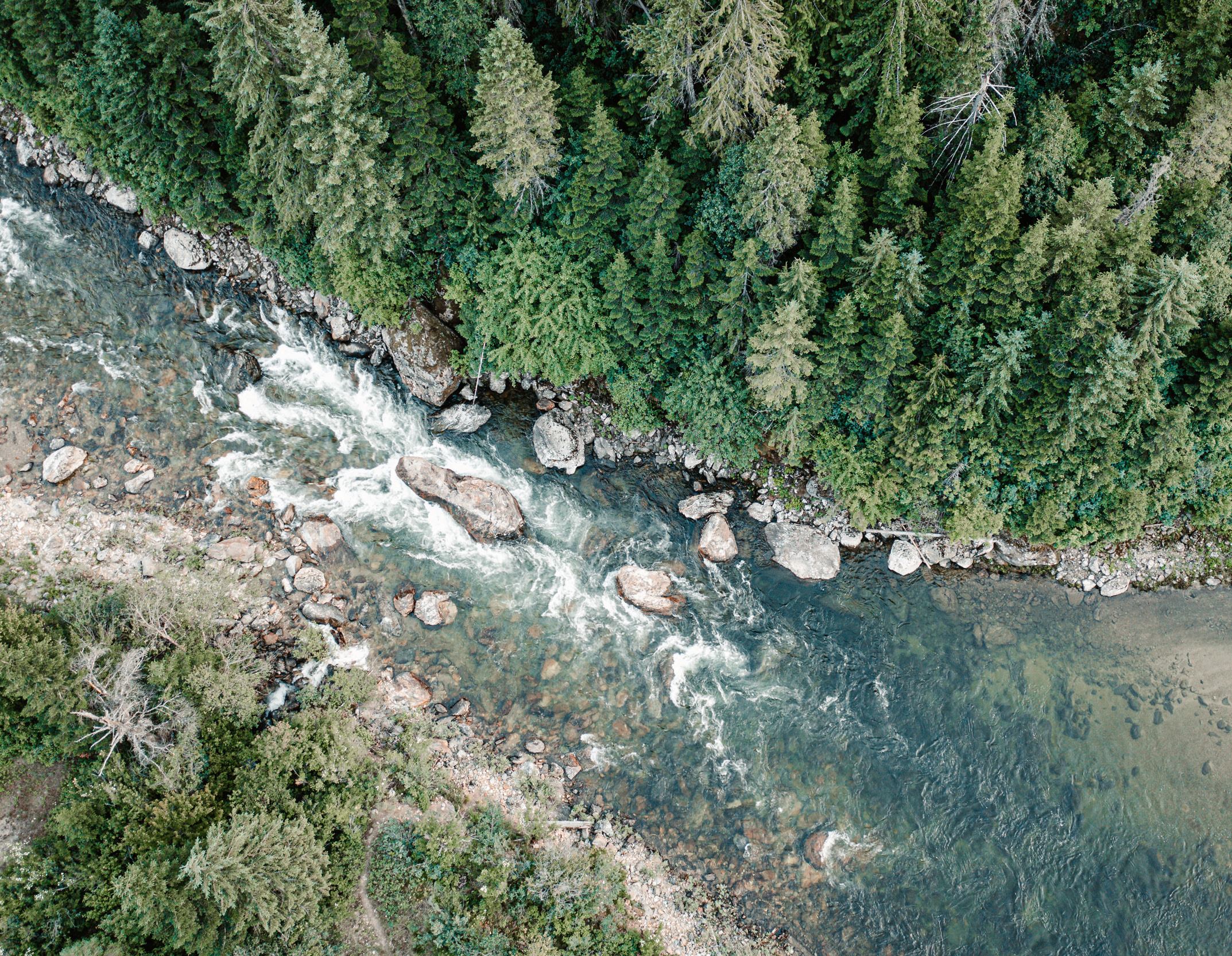
With my rod in hand and a line in the water, I find myself wondering at the hidden world of the river. I imagine the river bottom, predicting its depth and clarity based on the visible water pattern above. With my fly in my mind’s eye, I picture a fish scrutinizing the bug as it floats past. What about the moment compels it to strike?
While I’ve been on many fishing adventures, not all of them have resulted in fish caught. Sometimes I find myself daydreaming of the fish, rolling their eyes at my imitation, critiquing my presentation. Sometimes it doesn’t matter how hard I will them to bite.
Needless to say, I’ve become accustomed to the reality that fishing doesn’t require actually making contact with a fish. Otherwise, a particularly unsuccessful streak would have certainly put an end to my future fishing activities. Instead, I’ve learned to embrace its rhythm. A quietness emanates through my body; a calm stills my mind. Eyes observe. Hands feel.
Recently, my family watched an episode of Steven Rinella’s MeatEater, a hunting show that blends outdoor adventure with history, ecology, and cuisine. In the episode, Rinella takes some time during the day to wet a line. As we watch him cast into a small current, he describes his own relationship with not catching fish. “Casting into the water is like asking a question,” he says. “Even if it comes out empty, it somehow is an answer.”
In conversing with the river, you build a relationship, whether it’s over the course of a single day on the water or a lifetime of visits. Allowing yourself to be vulnerable in this is an act of humble submission, one requiring practice to uncover the art.
This issue’s pages are filled with stories that explore those conversations with the river and how they become an art. As Robert Redford says of producing A River Runs Through It in a 1990s interview with local journalist Thomas Burns (page 104), in turn quoting author Norman Maclean, “…eternal salvation comes by grace and grace comes by art, and art does not come easy.”
No Comments