


28 May Round Up: Landmark: Outdoor Art Installations Offer an Immersive Experience with the Region’s Beauty
Winding up a sage-covered hill just outside of Jackson, Wyoming, the National Museum of Wildlife Art offers a profound way to connect with art and the wildlife that inspires it. Spread out over a ¾-mile trail, 42 sculptures sit on the hill overlooking the National Elk Refuge, ready to be seen. In addition to the art installations, the area is also home to diverse wildlife, with mountain bluebirds, marmots, mule deer, and even the occasional black bear paying visits to the trail.
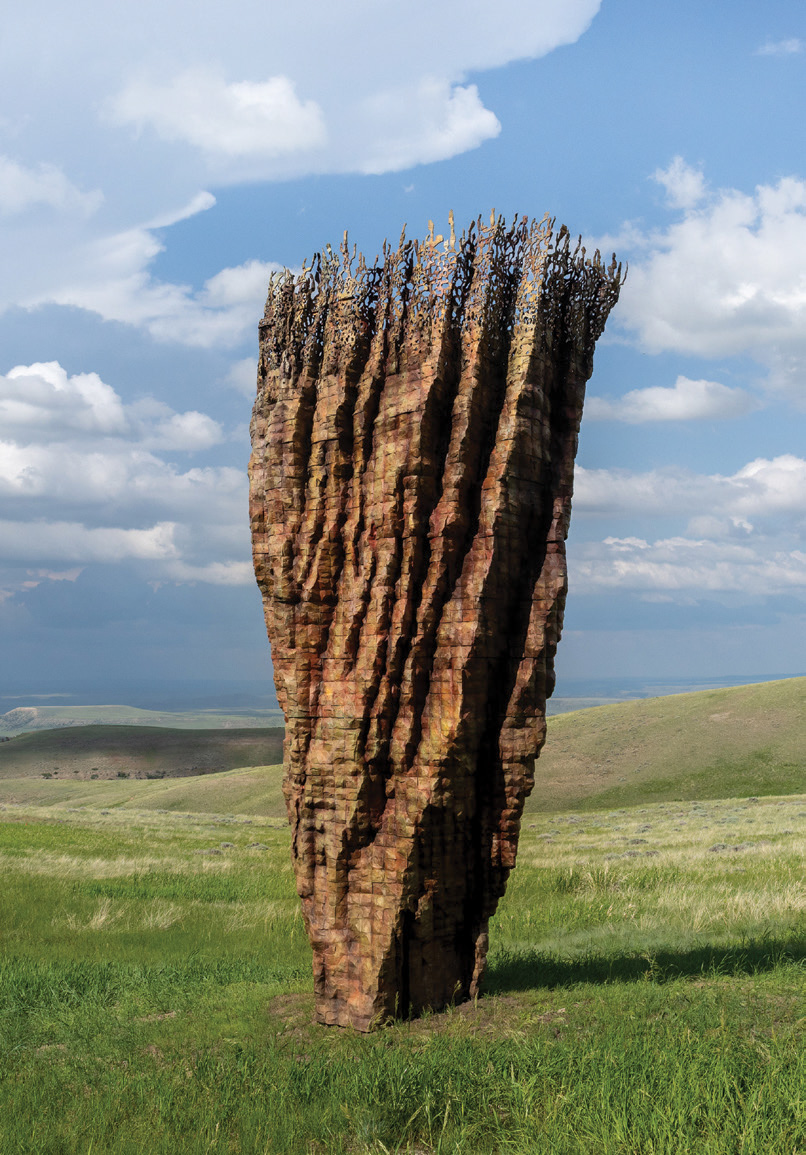
Bronze Bowl with Lace (2013/14), by Ursula von Rydingsvard, Tippet Rise Art Center | JAMES FLORIO
Designed by award-winning architect Walter Hood, the sculpture trail has evolved since its 2012 debut, with two new pieces from Texas artist Jim Eppler and Montana sculptor Tim Shinabarger being added in 2025. The outdoor gallery is free to the public and provides guests the opportunity to engage with nature and art simultaneously, pairing man-made art forms with the majestic peaks and grassy valleys that define the picturesque region.
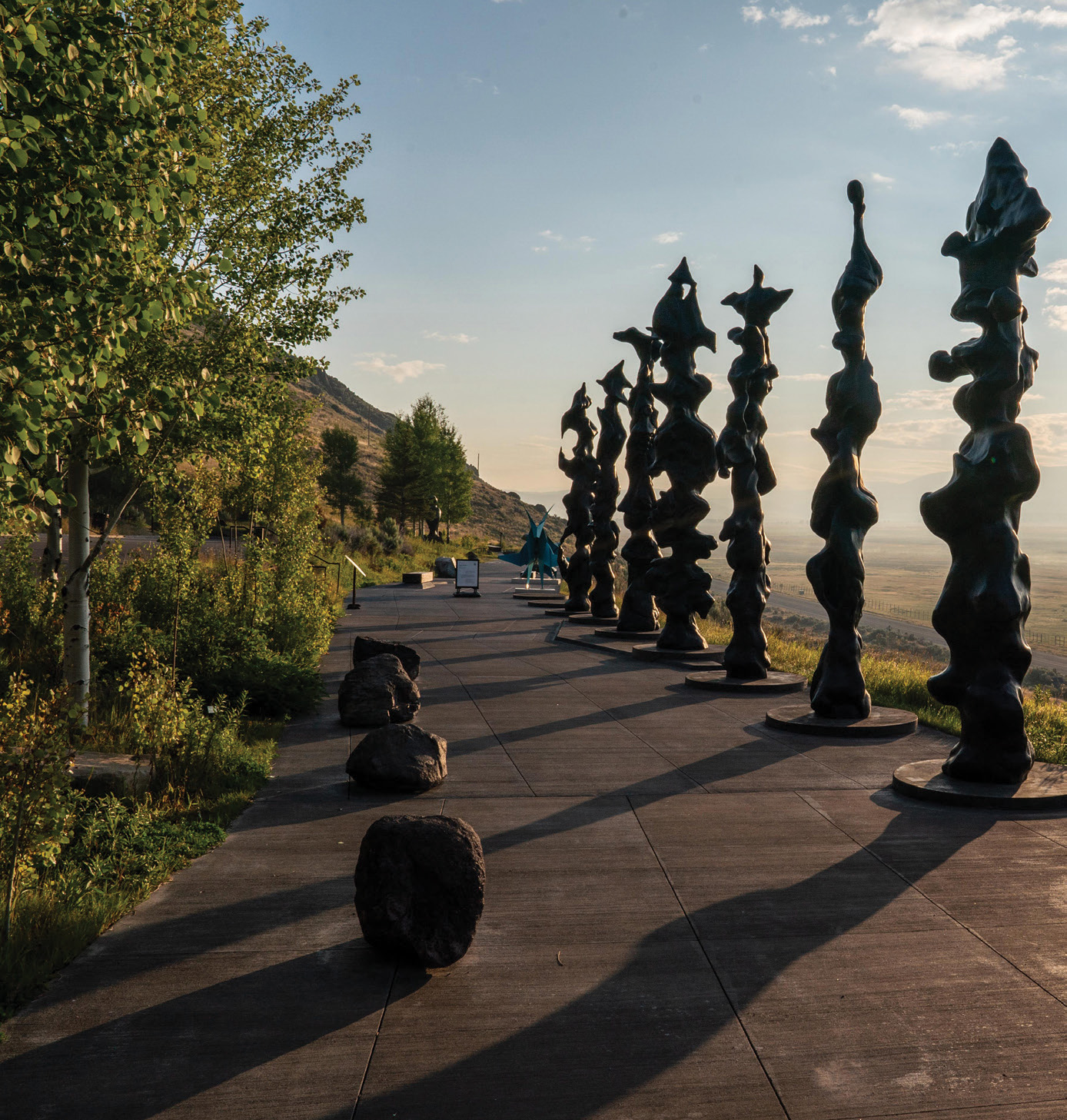
Spirit Totems (2014), by Herb Alpert, National Museum of Wildlife Art, on loan from the artist and gift of the 2019 Collectors Circle | COURTESY OF THE NATIONAL MUSEUM OF WILDLIFE ART
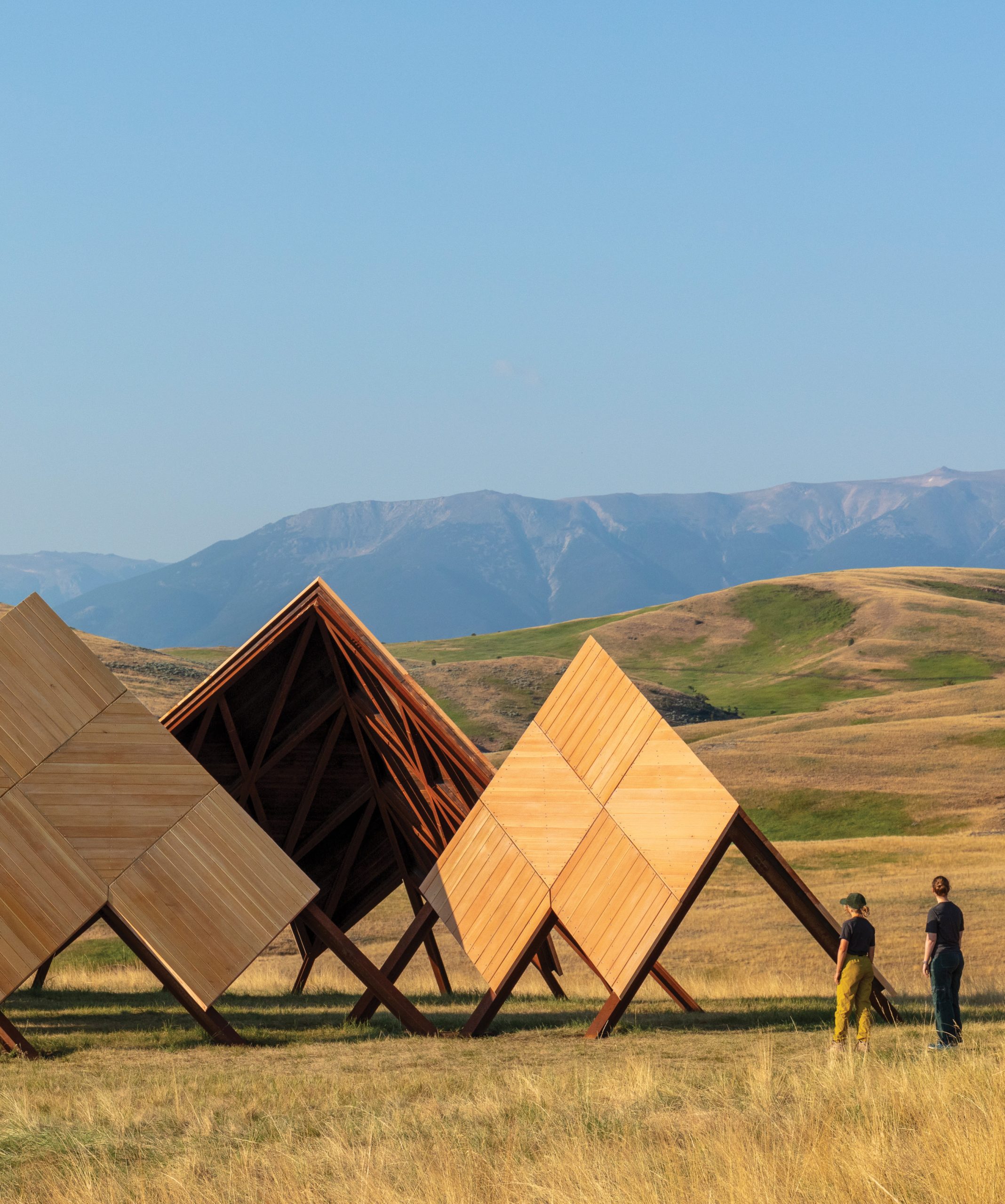
Blending these same elements of nature and art is Tippet Rise Art Center, located on an active 12,500-acre ranch in Fishtail, Montana. From June 19 to October 4, guests are invited to hike or bike through 15 miles of trails and 13 miles of gravel road that connect art displays dispersed throughout the landscape. For guests who would like to admire the artwork without breaking a sweat, the center also offers guided van tours. Featuring works by Alexander Liberman, Louis Nevelson, Wendy Red Star, and many others, Tippet Rise introduces guests to diverse sculptures and stories as they navigate the terrain. Visitors are also likely to encounter sheep and cattle during their explorations. Exhibits can be as far as 3 miles apart, giving guests plenty of time to reflect on the artwork in a habitat that is sure to inspire. While the hiking and biking sculpture tour is free of charge, reservations are required, and new reservations are available every week.
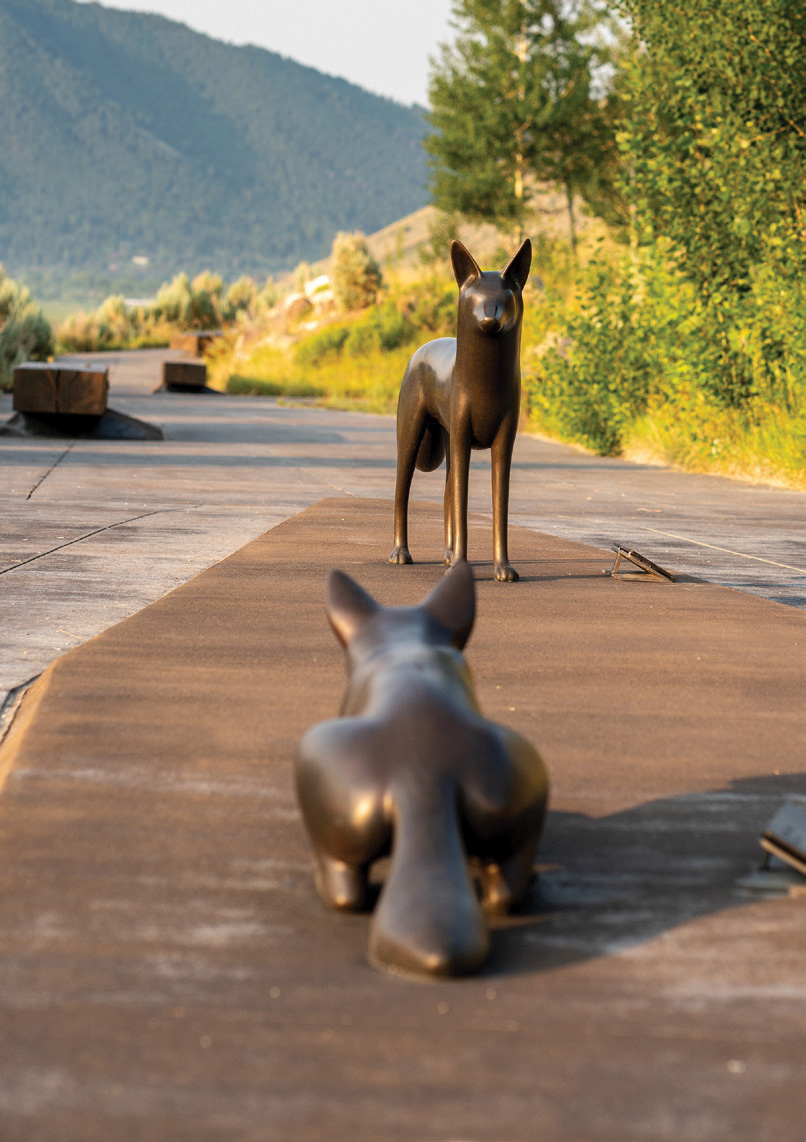
Coyote V (2000) and Coyote VIII (2005) by Gwynn Murrill, National Museum of Wildlife Art, gift of the 2012 Collectors Circle | COURTESY OF THE NATIONAL MUSEUM OF WILDLIFE ART
With the mission “to be an intersection where art, music, land, sky, and poetry can weave together into an algorithm that is greater than the sum of its parts,” Tippet Rise Art Center also offers unique concert settings and performances. “We’re hoping to provide an environment on the land where these transfers of energy and knowledge can take place,” explains cofounders Cathy and Peter Halstead.
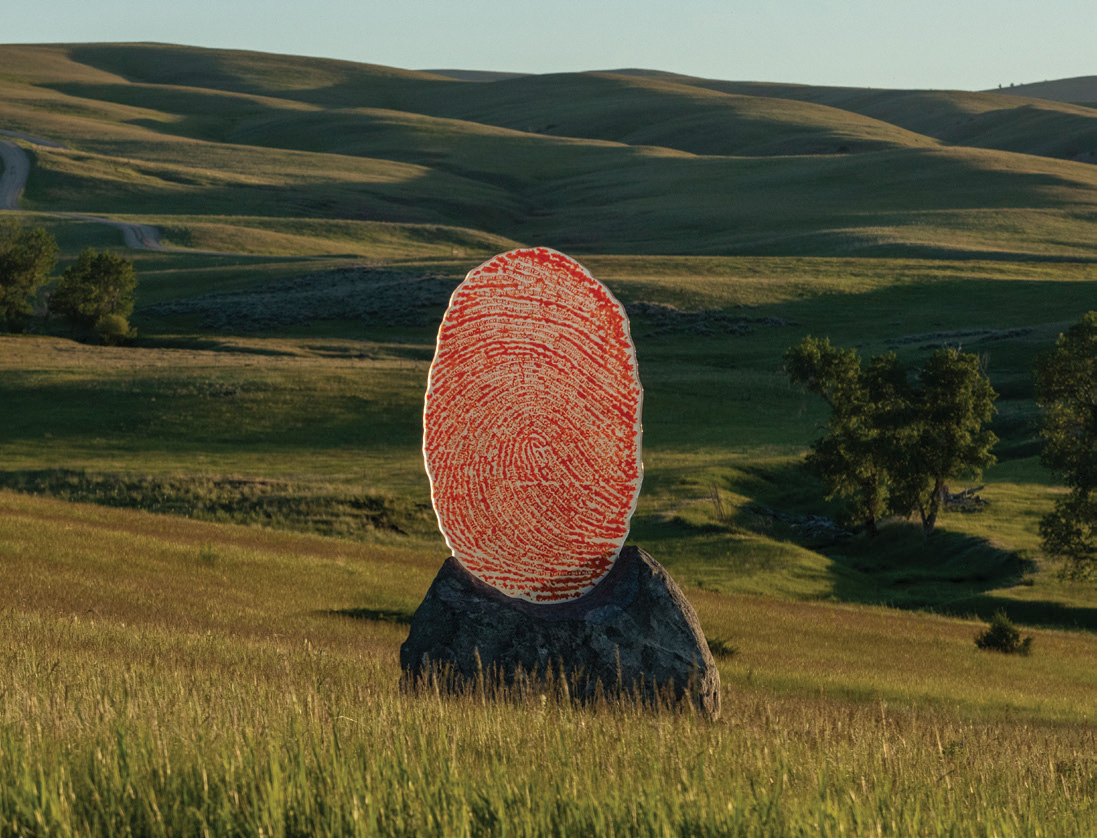
The Soil You See… (2023), by Wendy Red Star, Tippet Rise Art Center | JAMES FLORIO
While art is often enjoyed in quiet galleries and museums, these projects at Tippet Rise and the National Museum of Wildlife Art offer a bold approach to art exploration and enjoyment, allowing guests to develop relationships with the artwork and the ground upon which it sits.
No Comments